At its mouth, a river changes character. Its current slows, sediment may settle, and the boundary between land and water begins to move.
The journey of sediment
Rivers carry material eroded from hillslopes, streambanks, and mountain ranges. Fine particles may stay suspended in flowing water, while coarser grains roll or bounce along the riverbed. The quantity and size of sediment depend on the landscape, weather, vegetation, and the character of the river.
As a river enters a lake or sea, its flow usually slows and its ability to transport sediment can decrease. Some of that material settles and gradually builds new deposits.
The making of a delta
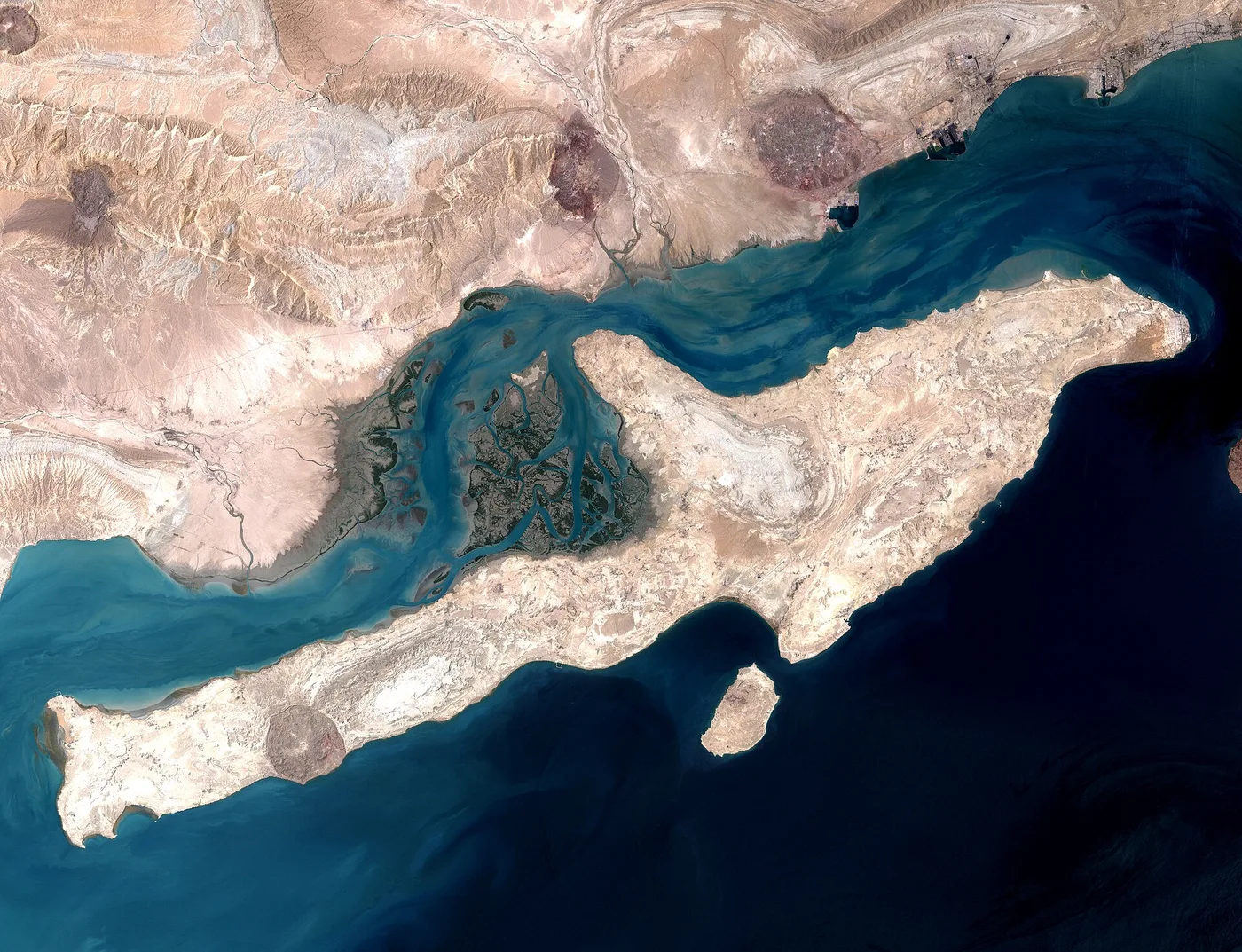
A delta forms when river-delivered sediment accumulates near the mouth faster than waves, tides, or currents can carry it away. Over time, channels may split into distributaries, creating a mosaic of shallow water, sandbars, wetlands, and islands.
Not all deltas look alike. The balance of river supply, wave action, tides, and coastal shape produces distinct patterns. And not every river makes a large delta: in some places, coastal energy spreads the sediment along beaches or into deeper water.
Changing channels and coastlines
Rivers naturally migrate, flood, and sometimes switch their main channels. These movements build new land in one place and erode it in another. Sediment-rich floods can support fertile floodplains, but they also create hazards for people living near low-lying coasts.
Dams, embankments, dredging, and land-use changes can affect how much sediment reaches the river mouth. Reduced sediment supply may contribute to erosion and land loss, especially where coastal processes are strong.
Why deltas matter
Deltas support fisheries, agriculture, transport, coastal wetlands, and major cities. Their ecological importance comes partly from the contact between fresh water, salt water, and nutrient-rich sediments.
To read a delta, look for networks of branching channels and subtle changes in shoreline shape. A satellite image may capture only one moment in a landscape that is continually being rebuilt.
Further reading & references
These public educational resources informed the overview above. Image credits and reuse licences are listed on our sources page.
USGS — Rivers & deltas and sediment budget ↗USGS — Arctic delta processes ↗