The ocean may appear to be a single blue surface, but beneath it lies a moving system that transports heat, nutrients, salt, and living organisms across the planet.
Water is always moving
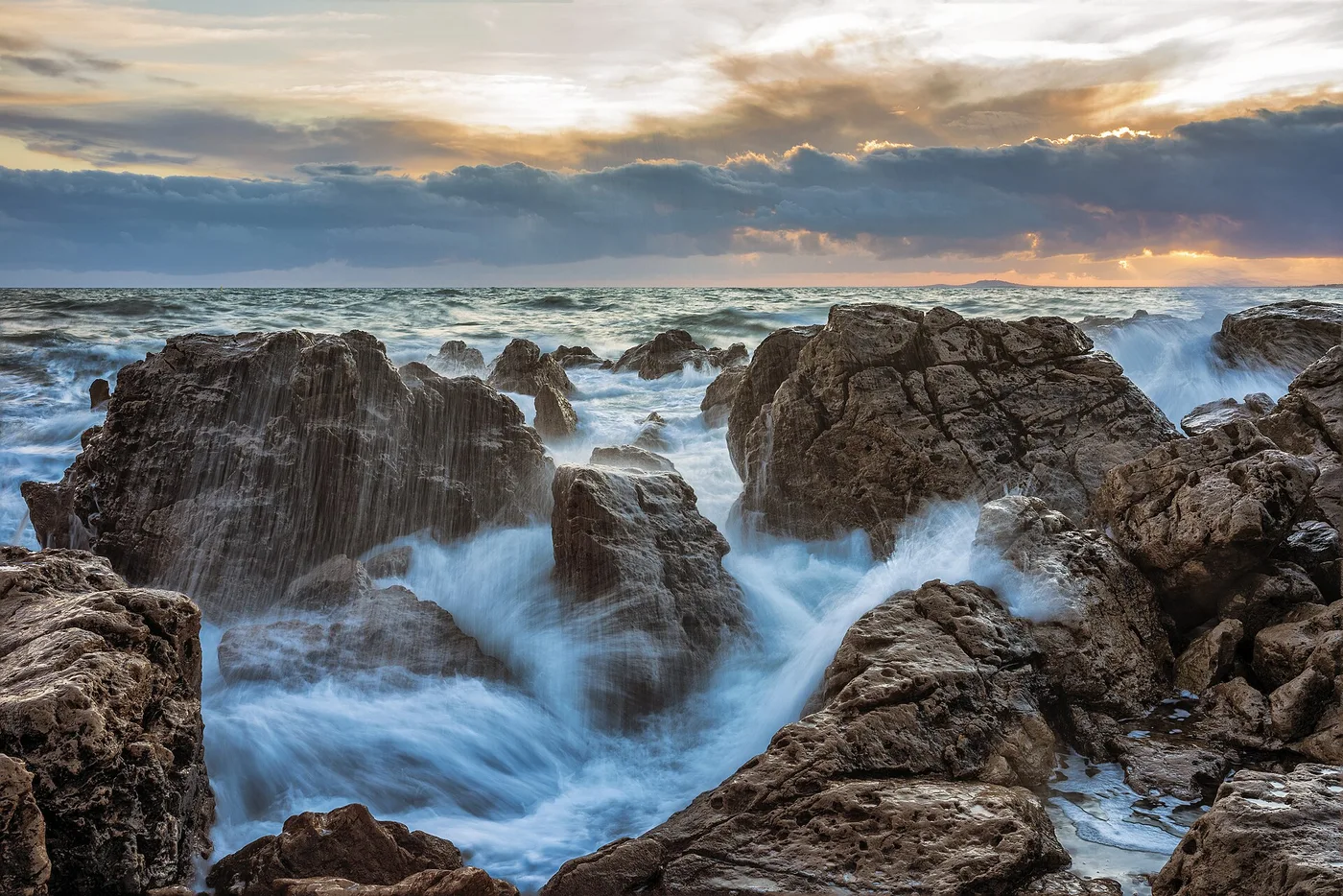
Ocean currents are sustained movements of seawater. They differ from waves, which primarily transfer energy through the water, and from tides, which are driven mainly by the gravitational influence of the Moon and Sun. Currents can occur at the surface, near coasts, and far below the reach of sunlight.
Large-scale surface currents are driven chiefly by winds. Their routes are influenced by the shapes of continents, differences in sea level and pressure, and Earth's rotation.
Gyres and the Coriolis effect
In the major ocean basins, currents can form broad circulating patterns known as gyres. The Coriolis effect changes the apparent direction of moving water relative to Earth's surface; it does not itself provide the energy that powers the flow.
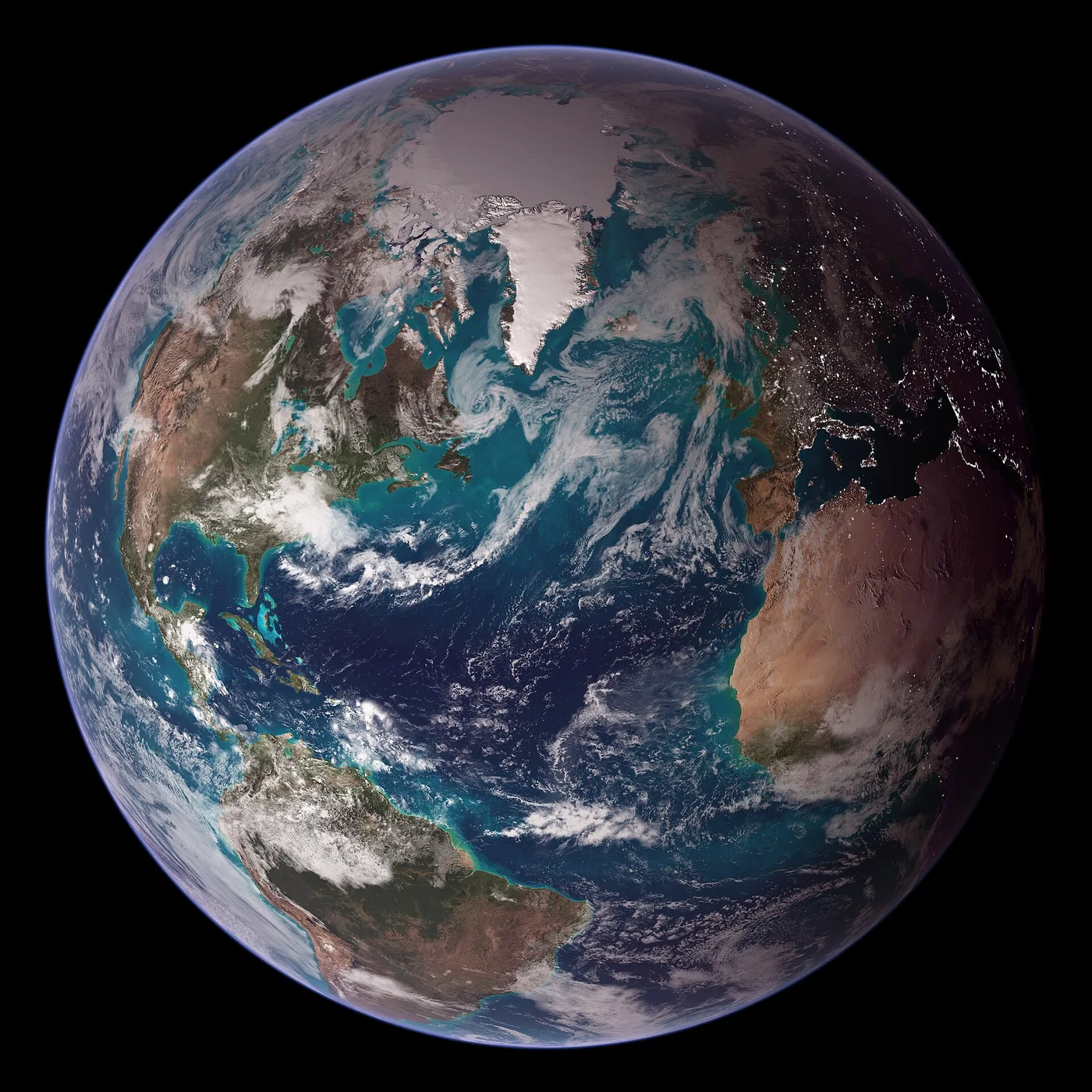
The Gulf Stream is a familiar example of a strong western boundary current. It carries warm water northward in the Atlantic and contributes to the redistribution of ocean heat.
The deeper circulation
Temperature and salinity affect seawater density. In some regions, cold and sufficiently salty water becomes dense enough to sink, contributing to deep circulation. The resulting exchanges between ocean layers can be much slower than many surface currents.
The expression “global conveyor belt” is a teaching model of these connected movements, not a literal single river following a fixed route through the oceans.
A planetary influence
Currents influence marine ecosystems by redistributing nutrients and transporting larvae and other organisms. They help shape coastal climate and interact with the atmosphere. Changes in circulation can alter regional conditions, making the ocean central to climate research.
Oceanographers study these movements using drifting floats, moorings, research ships, and satellites. The result is a more dynamic map of the sea—one that changes with depth and time.
Further reading & references
These public educational resources informed the overview above. Image credits and reuse licences are listed on our sources page.
NOAA — Ocean currents ↗NOAA — What causes ocean currents? ↗NOAA — Currents educational tutorial ↗