Mountains look permanent, but they are the outcome of processes working at very different speeds: crustal deformation, uplift, weathering, rivers, glaciers, and gravity.
The forces below
Many mountain ranges are linked to tectonic plate boundaries. When plates converge, rocks may be folded, faulted, stacked, and uplifted. Where two continents collide, thick blocks of crust resist descending into the mantle and can form large mountain belts. The Himalayas are a well-known example.
Not all mountains form through the same mechanism. Volcanic mountains are built by eruptions and accumulated deposits. Fault-block ranges form where sections of crust move along faults. Some regions rise as broad plateaus before rivers carve valleys into them.
Building and wearing down
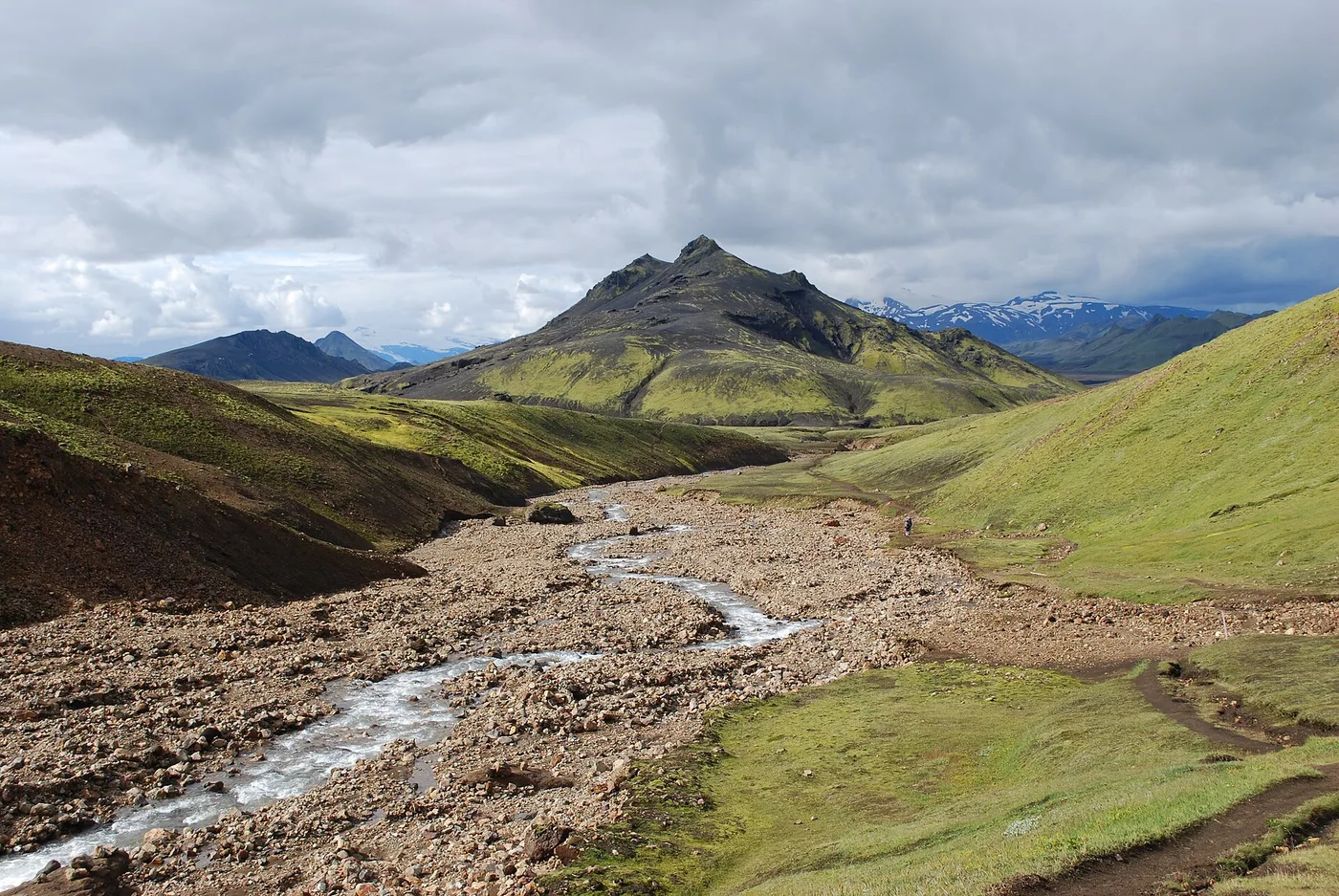
Uplift creates elevation, but erosion simultaneously removes rock. Water, ice, and gravity break down exposed surfaces and transport the debris downhill. Glaciers may excavate steep-sided valleys, while rivers cut deeply through rising terrain.
The visible shape of a range is therefore a record of both construction and destruction. Two mountains of similar height may have very different histories depending on climate, rock type, and tectonic setting.
Evidence in the rocks
Rocks far above sea level may preserve signs of ancient marine environments. Layers can be folded, tilted, or fractured, giving geologists clues about past stress and movement. By combining fieldwork with dating methods and geophysical measurements, scientists piece together long histories of mountain-building episodes.
Why ranges look different
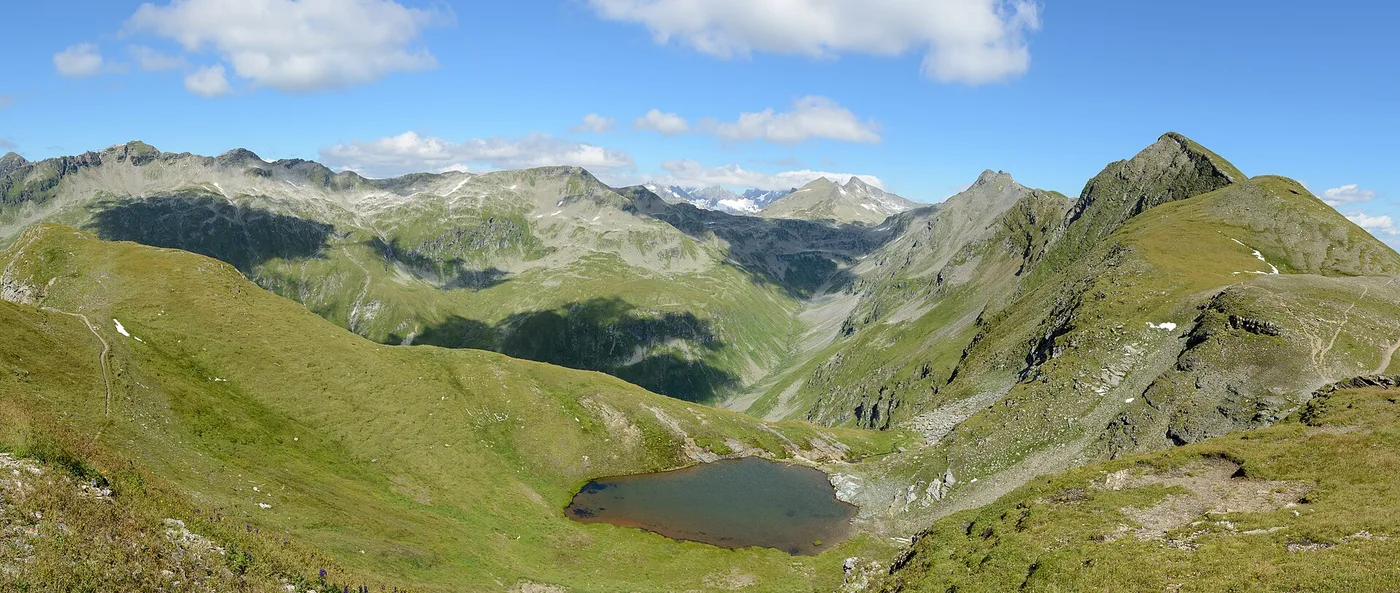
Young, actively uplifting ranges may have striking relief, but climate and rock strength also matter. Older ranges can remain rugged where resistant rocks persist or where renewed uplift and erosion occur. There is no universal rule that every old mountain must look smooth.
Mountain landscapes are best understood as systems rather than monuments. The ridges we see are snapshots of an evolving balance between Earth’s interior and the processes operating at its surface.
Further reading & references
These public educational resources informed the overview above. Image credits and reuse licences are listed on our sources page.
NPS — Tectonic landforms and mountain building ↗NPS — Collisional mountain ranges ↗USGS — Birth of the Mountains ↗